

Venous Disease Services in San Antonio, TX
Lower extremity venous diseases affect about 25% of adults. At Texas Cardiac and Vascular Specialists (TCAVS) in San Antonio, TX, our experienced vascular surgery team diagnoses and manages an array of venous diseases to help you avoid severe complications and maximize your quality of life.
Schedule an evaluation by phone or request an appointment today.

What are venous diseases?
Venous diseases affect the veins, which are responsible for returning blood from the limbs and other parts of the body back to the heart. When veins are damaged, it disrupts circulation, causing blood to pool or flow backward. This pressure buildup can lead to swelling, poor blood flow, and potential blood clots.
What are examples of venous diseases?
Examples of venous diseases include:
- Blood clots.
- Superficial thrombophlebitis (blood clot in a superficial vein).
- Deep vein thrombosis (DVT).
- Spider veins.
- Varicose veins.
- Chronic venous insufficiency.
Without treatment, venous diseases can lead to complications such as venous ulcers, which require expert care. While about 33% of adults in the United States have varicose veins, more than 30 million Americans experience more serious, potentially life-threatening venous diseases.
What are the symptoms of venous diseases?
Venous diseases can cause the following symptoms:
- Bulging veins.
- Swelling.
- Itching.
- Burning.
- Heaviness.
- Warmth.
- Cramping.
- Redness.
- Leg or arm pain.
If you notice any new or unusual symptoms of venous disease, report them immediately to your specialist to reduce the risk of complications.
What increases the risk of venous diseases?
Risk factors for venous diseases include:
- Vein problems present at birth.
- Injuries.
- Weakened blood vessels.
- Pregnancy.
- Aging.
- Tumors.
- High blood pressure.
- Family history of venous disease.
- Obesity.
- Being a woman.
- Standing or sitting for long periods.
- Using tobacco products.
- Taking birth control pills or hormone replacement therapy.
Adopting healthy habits like regular exercise, maintaining a healthy weight, and quitting smoking can reduce your risk of venous diseases and complications such as pulmonary hypertension, pulmonary embolism, and life-threatening blood clots.
How is venous disease diagnosed?
Diagnosing venous disease at Texas Cardiac and Vascular Specialists involves:
- Reviewing your symptoms and medical history.
- Checking vital signs and performing a physical exam.
- Diagnostic tests like:
- Ankle-Brachial Index (ABI): A test comparing blood pressure in the ankle and arm.
- Ultrasound: Uses sound waves to evaluate blood flow and detect clots.
- CT scan or MRI: Produces detailed images of the veins.
- Angiogram: Provides images of blood vessels to detect abnormalities.
How is venous disease treated?
The team at TCAVS treats venous disease using a combination of:
- Compression Stockings or Bandages: To improve circulation.
- Medications: To manage symptoms or treat underlying causes.
- Vein Surgery: To remove or repair damaged veins.
- Radiofrequency Ablation: Uses heat to close off damaged veins.
- Laser Therapy: Minimally invasive treatment to seal diseased veins.
- Sclerotherapy: Injects medication to close off veins.
- Vena Cava Filter: To prevent blood clots from traveling to the lungs.
- Lifestyle Changes: Includes eating a nutritious diet, exercising regularly, and managing health conditions like high cholesterol, high blood pressure, or diabetes.
Additionally, if you sit for extended periods, it’s important to move your body every hour to maintain good circulation.
Schedule an evaluation at Texas Cardiac and Vascular Specialists by phone or request one online today to be evaluated or treated for venous disease.
In many cases, lifestyle changes can play a crucial role in managing or preventing leg swelling, such as:
- Losing weight to reduce pressure on your veins
- Following a structured exercise program
- Wearing compression or support hose
- Elevating your legs regularly
- Restricting fluid intake when necessary
- Reducing salt intake to minimize fluid retention
However, persistent leg swelling should not be ignored, as it may represent more serious conditions such as congestive heart failure, kidney problems, liver failure, blood clots, or even side effects of certain medications.
Our team provides thorough exams and advanced testing to determine the root cause of your leg swelling and create a personalized treatment plan tailored to your needs.
Take the first step toward relief and improved vascular health. Call TCAVS today to schedule an evaluation or book your appointment conveniently online.
Other Conditions
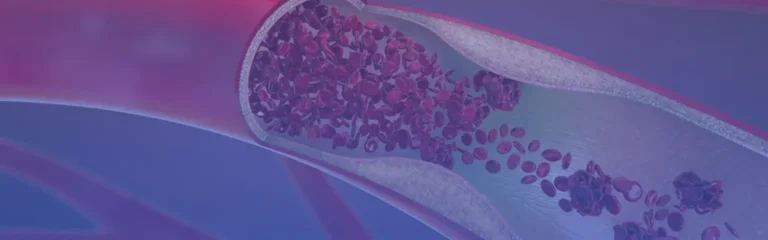
Peripheral Artery Disease
Our team of experienced vascular surgeons provide expert care for PAD through personalized treatment plans.
READ MORE →
Leg Pain
Leg pain isn’t something you should ignore. It could be indicative of peripheral artery disease, which is a severe health condition.
READ MORE →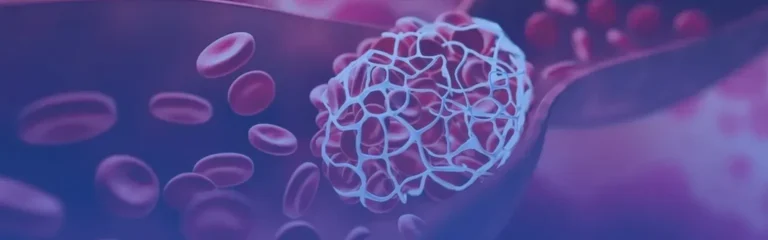
Deep Venous Thrombosis
TCAVS uses a conservative, integrative approach that restores blood flow and prevents DVT from worsening.
READ MORE →