

Diabetic Wound Services in San Antonio, TX
Diabetic foot wounds affect about 15% of people with diabetes. At Texas Cardiac and Vascular Specialists (TCAVS) in San Antonio, TX, our exceptional vascular surgery team helps you prevent or properly manage diabetic wounds to reduce the risk of severe complications.
Schedule an evaluation by calling the office or requesting an appointment online today.
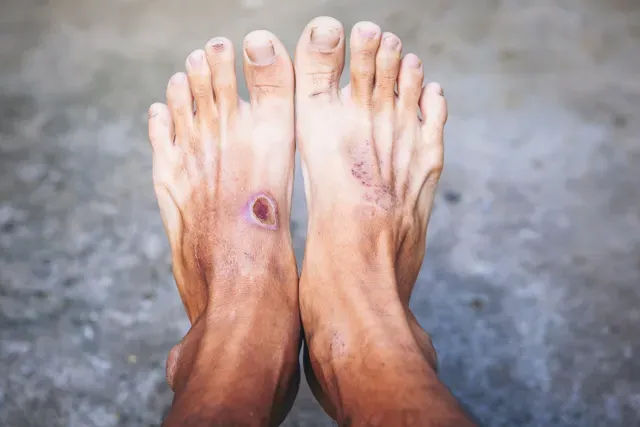
What is a diabetic wound?
A diabetic wound (ulcer) is an open, slow-healing wound that typically appears on the feet of individuals with diabetes. People with Type 1 or Type 2 diabetes have up to a 25% chance of developing diabetic foot ulcers in their lifetime.
Fortunately, early detection and treatment of diabetic wounds can prevent infections and reduce the risk of amputation.
What are the symptoms of a diabetic wound?
Diabetic wounds are often characterized by:
- Non-healing foot or leg wounds.
- Slow-healing wounds that take weeks or months to heal.
- Wounds that appear red, brown, blue, purple, yellow, or mixed colors.
- Wounds with liquid discharge or pus.
- Itchy or hardened skin.
- Hard bumps on the skin.
- Swelling and skin discoloration.
- Wounds with a foul odor.
- Shallow, irregularly shaped sores.
- Dull aching pain.
Sometimes, diabetic wounds are painless due to nerve damage associated with diabetes.
What are the risk factors for diabetic wounds?
Diabetic wounds typically result from poorly managed diabetes. Additional risk factors include:
- Lack of exercise.
- Poor nutritional habits.
- Obesity.
- Not taking diabetes medications as prescribed.
- Nerve damage caused by diabetes.
Nerve damage can make it harder to detect wounds early, increasing the risk of complications.
How does my provider diagnose a diabetic wound?
Diagnosing a diabetic wound and its underlying causes involves:
- A discussion about your symptoms and medical history.
- A vital signs check and physical exam.
- Examination of your feet and legs.
- Diagnostic procedures such as a biopsy or imaging tests to assess the wound and its severity.
How are diabetic wounds treated?
At Texas Cardiac and Vascular Specialists, diabetic wound treatment may include:
- Healthy lifestyle changes.
- Oral or topical medications.
- Skin grafting to promote healing.
- Debridement to remove dead tissue.
- Offloading to reduce pressure on your feet.
- Hyperbaric oxygen therapy to improve tissue oxygenation.
- Wet or dry dressings to protect wounds.
- Specialized shoes to reduce friction and pressure.
- Referrals to specialists for severe infections or conditions requiring amputation.
Wounds that don’t heal after two weeks of treatment should be evaluated by a specialist as soon as possible.
Adopting healthy habits is critical to enhancing healing and preventing future wounds.
Eat nutritious foods, exercise regularly, avoid smoking, maintain an ideal weight, manage stress, and get adequate sleep. Control chronic conditions like high blood pressure, high cholesterol, and diabetes.
Schedule an evaluation at Texas Cardiac and Vascular Specialists by phone or request one online today to be evaluated or treated for a diabetic wound.
Other Conditions

Venous Disease
Our experienced team diagnoses and manages an array of venous diseases to help you avoid severe complications and maximize your quality of life.
READ MORE →
Leg Swelling
Everyone experiences leg swelling occasionally, but if it continues for days or even weeks, it could indicate a serious health problem.
READ MORE →
Peripheral Artery Disease
Our team of experienced vascular surgeons provide expert care for PAD through personalized treatment plans.
READ MORE →Ready to Take the Next Step in Your Vascular Health?
Schedule a consultation with our experts today and get the personalized care you deserve. We’re here to guide you every step of the way.