
Deep Venous Thrombosis in San Antonio, TX
Deep venous thrombosis (DVT) is a common vascular issue that affects between one and three of every 1,000 Americans. Without treatment, DVT increases the risk of more severe problems, like pulmonary embolism (a traveling blood clot). At Texas Cardiac and Vascular Specialists in San Antonio, Texas, the team of vascular surgeons specializes in deep venous thrombosis treatment. They use a conservative, integrative approach that restores blood flow and prevents the condition from worsening. Call Texas Cardiac and Vascular Specialists to schedule deep venous thrombosis treatment, or book your appointment online today.
Is deep venous thrombosis the same thing as deep vein thrombosis?
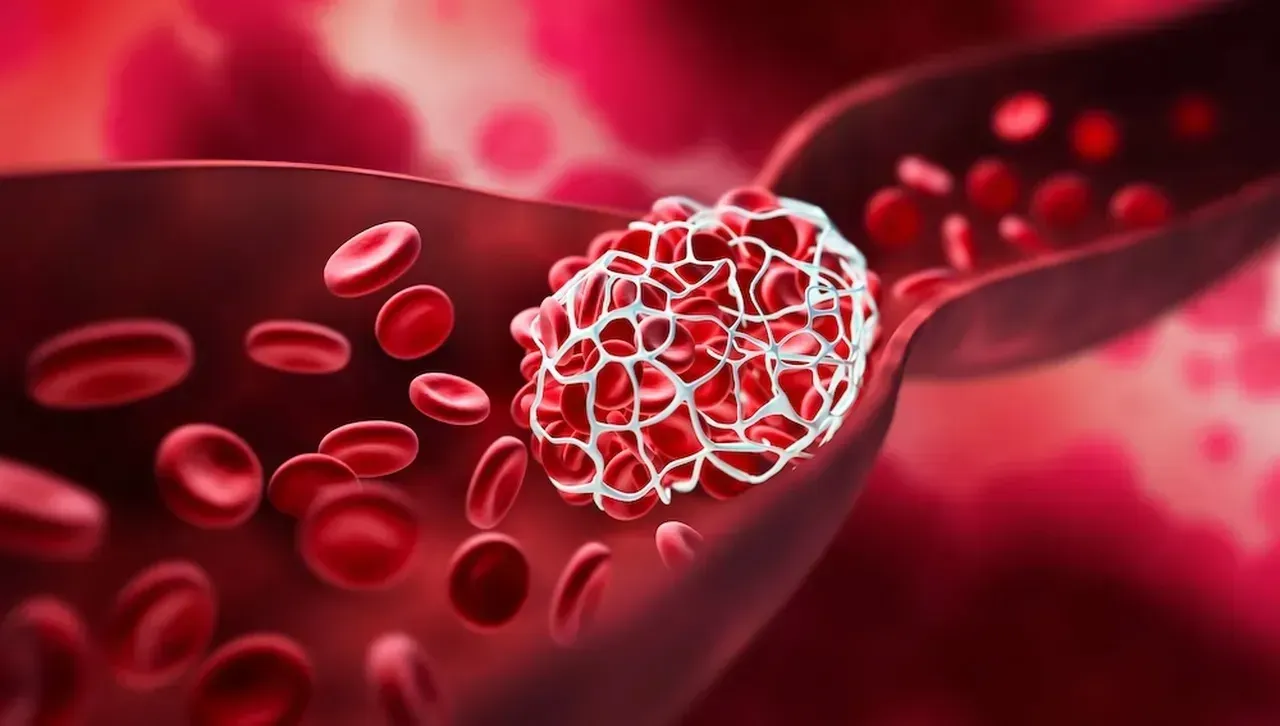
Yes. Deep venous thrombosis and deep vein thrombosis are the same thing. The condition occurs when a blood clot forms in the veins deep inside your body, either because of poor circulation or vascular damage. These blood clots can occur anywhere, but they commonly happen in the lower legs, thighs, and pelvis. DVT itself isn’t dangerous. But if one of the blood clots breaks off, it can travel through your bloodstream and cause a blockage. If the blockage occurs in your lungs –– something called a pulmonary embolism –– it can be deadly. Therefore, regular monitoring and treatment is necessary.
What are the symptoms of deep venous thrombosis?
Deep venous thrombosis symptoms include: If you develop any of these symptoms, seek treatment immediately. Without intervention, deep venous thrombosis increases your risk of potentially severe complications.
How is deep venous thrombosis diagnosed?
Your Texas Cardiac and Vascular Specialists provider reviews your medical records, asks about your symptoms, and completes a physical exam. They also complete several imaging tests, including:
Duplex Venous Ultrasound
This ultrasound uses high-frequency sound waves to assess the blood flow in your veins and check for blood clots. During this test, your provider applies pressure to your arm or leg. If your veins don’t compress in response, you have a blood clot.
Venography
Your provider might recommend venography if the results of your venous ultrasound are inconclusive. During this test, they insert a catheter (a clear, hollow tube) into your neck or groin and inject a contrast dye through it. The contrast dye highlights any blood clots or vein blockages.
How deep venous thrombosis treated?
Treatment of deep venous thrombosis depends on your symptoms and the condition’s severity. The Texas Cardiac and Vascular Specialists team might recommend:
- Prescription blood thinners (anticoagulants)
- Wearing compression stockings
- Eating a healthy, balanced diet
- Exercising regularly
Most people with peripheral artery disease benefit from several types of treatment. The team monitors your circulation at routine checkups and adjusts your care plan as needed. The goal is to improve your blood flow and reduce the risk of a heart attack or stroke. Call Texas Cardiac and Vascular Specialists to schedule peripheral artery disease treatment, or book your appointment online today.Wounds that don’t heal after two weeks of treatment should be evaluated by a specialist as soon as possible.
Adopting healthy habits is critical to enhancing healing and preventing future wounds.
Eat nutritious foods, exercise regularly, avoid smoking, maintain an ideal weight, manage stress, and get adequate sleep. Control chronic conditions like high blood pressure, high cholesterol, and diabetes.
Schedule an evaluation at Texas Cardiac and Vascular Specialists by phone or request one online today to be evaluated or treated for a diabetic wound.
Other Conditions

Leg Pain
Leg pain isn’t something you should ignore. It could be indicative of peripheral artery disease, which is a severe health condition.
READ MORE →
Peripheral Artery Disease
Our team of experienced vascular surgeons provide expert care for PAD through personalized treatment plans.
READ MORE →
Varicose Veins
While they may start as a cosmetic concern, varicose veins can lead to discomfort, heaviness, and leg fatigue, potentially affecting your daily activities.
READ MORE →